
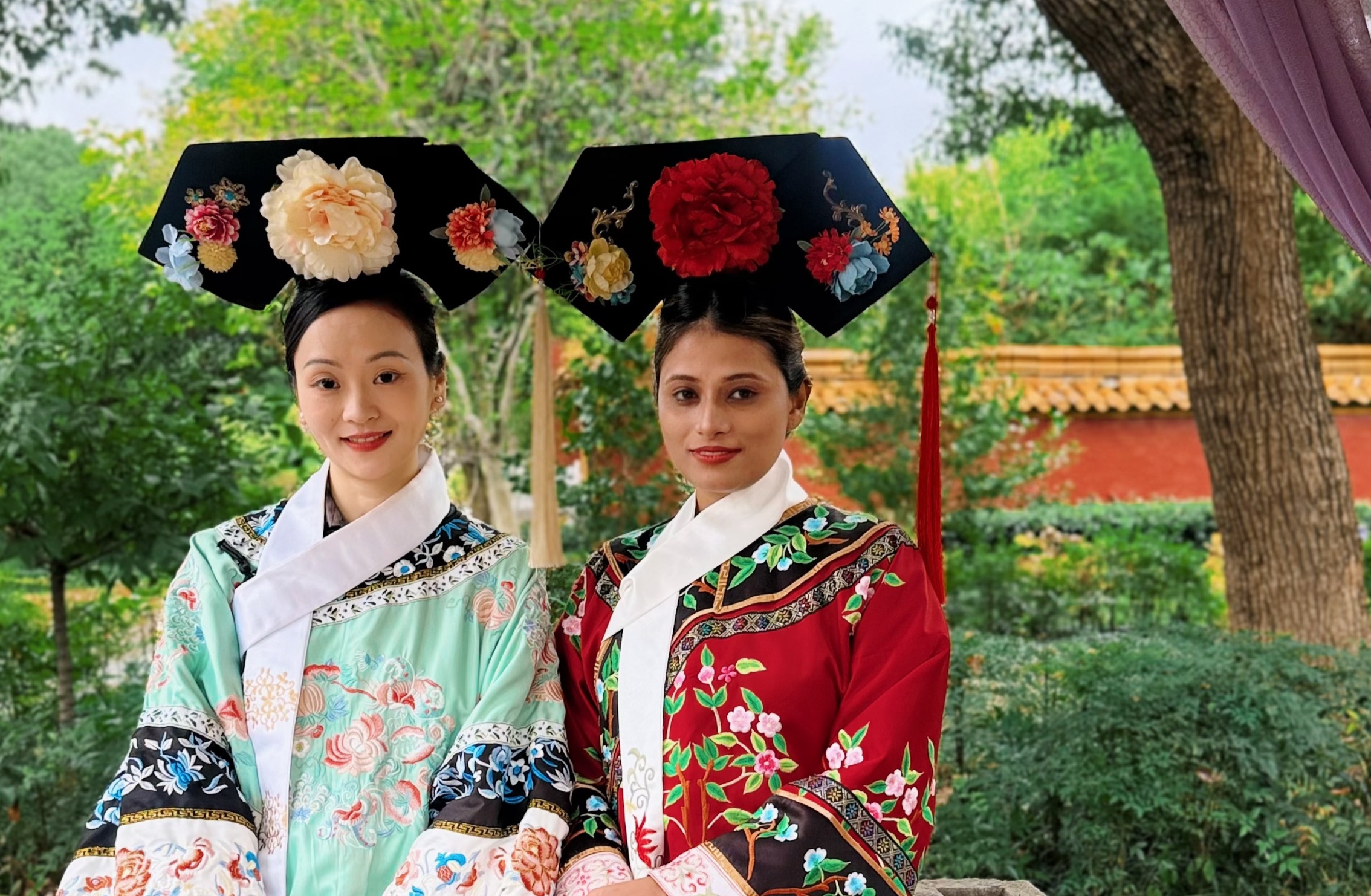
From the ancient waterways of Liangzhu to the timeless beauty of Hangzhou’s West Lake, a recent visit to Zhejiang offered a Sri Lankan cultural and tourism delegation an opportunity to discover the stories, traditions and innovations that continue to shape China today.
From October 15 to 22, at the invitation of the Zhejiang Provincial Department of Culture, Radio, Television and Tourism, the delegation, organised by the Sri Lanka-China Cultural Centre, travelled across Zhejiang Province and attended the fourth Liangzhu Forum, hosted by China’s Ministry of Culture and Tourism in Hangzhou.
The journey was more than a cultural visit. It was also an invitation to reflect on how ancient civilizations can bring people closer together, opening new ways for China and Sri Lanka to share their heritage and deepen their cultural connections.
Discovering the Stories Behind Ancient Civilizations
One of the highlights was the International Dialogue on the “Journey of Civilization Origins”, a sub-forum of the Liangzhu Forum. Harsha Wijewardena, Secretary to the Western Provincial Council of Sri Lanka and a member of the delegation, took part in the discussion and delivered a keynote address on linking the prehistoric civilizations of Hangzhou and Ningbo with the development of international heritage tourism.
In his speech, Harsha reflected on the significance of the Liangzhu and Hemudu archaeological sites, describing them as much more than ancient remains or places to visit. Together, they tell a remarkable story of how people learned to manage water, cultivate rice, build communities and shape the civilizations that followed.
These stories also offer a natural starting point for cultural exchange. Although China and Sri Lanka have their own distinct histories and traditions, exploring their heritage can help visitors discover both the differences that make each culture unique and the shared experiences that connect them.
Harsha outlined three ways China and Sri Lanka could build on this common ground.
The first is to create a heritage learning corridor linking archaeological sites, museums, universities and local communities in both countries, giving researchers, students and visitors more opportunities to learn from one another.
The second is to make heritage tourism a more meaningful cultural experience. Beyond visiting historic sites, travellers could explore the similarities and differences between the two civilizations, turning travel into an opportunity for cross-cultural learning and personal connection.
The third is to bring heritage to life through digital technology and community participation. Digital reconstruction can help make historic sites more accessible, while encounters with local lifestyles and community stories can give visitors a deeper understanding of the people who keep these traditions alive. In turn, this approach can help local communities share in the benefits of tourism and support sustainable development.
From Historic Towns to a Glimpse of the Future
The delegation’s experience of Zhejiang extended well beyond its ancient heritage. Members visited Nanxun Ancient Town and Hangzhou’s West Lake, discovering different aspects of the province’s cultural character, before travelling to Yiwu International Trade Market and visiting local enterprises in the artificial intelligence sector.
Together, these visits offered a varied picture of Zhejiang: a place where historic towns and cultural landscapes exist alongside bustling commercial activity and emerging technologies.
For the delegation, this blend of tradition and innovation was part of what made the journey distinctive. Cultural exchange is not only about looking back at the past; it is also about discovering how people live today and how new ideas are shaping the future.
M. K. M. Aslam, a member of Sri Lanka’s Parliament, spoke warmly of China’s ethnic harmony and cultural diversity following the visit. The trip also marked his second visit to China this year, adding another chapter to his experience of the country.
For Shareefa Thahir, a presenter at Sri Lanka National Television, one particularly memorable experience came at BrainCo in Hangzhou, where she encountered applications of brain-computer interface technology. She said she was deeply impressed by what she saw.
Her experience offered another perspective on the journey: alongside ancient archaeological sites and historic landscapes, Zhejiang also provided a glimpse of the possibilities emerging at the intersection of technology and everyday life.
A Journey That Opens New Doors
From the stories preserved in ancient archaeological sites to the energy of modern enterprises, the delegation’s visit brought together many different facets of Zhejiang. Each offered a different way to understand the province, its people and its place in a rapidly changing world.
For China and Sri Lanka, such journeys can create opportunities to build lasting connections through culture, tourism, education and shared experiences. By bringing their histories into conversation and welcoming visitors to experience local life firsthand, both countries can help make cultural exchange more personal, meaningful and enduring.
Sometimes, the most memorable part of travelling is not simply seeing a new place, but discovering the stories that connect it to the world beyond.